Study
in America

When young students think about studying abroad, the traditional frontrunners – the United Kingdom, the United States, Australia, and Canada – tend to dominate the conversation. Yet in recent years, a quieter revolution in international higher education has been taking place across the continent of Europe.

Years of Experience
0 +
Visa Approval Rate
0 %
Students Guided
0 +
University Partners
0 +

Dream Big,
Study Bigger

For generations, the United States of America has represented the ultimate horizon of academic ambition. Its universities have produced more Nobel laureates than any other nation, its technology sector has reshaped the world, and its campuses have long been magnets for the brightest and most determined students from every corner of the globe. For young Pakistani students who dream of a world-class education, a globally respected degree, and a career without borders, America remains, as it has always been, the gold standard of international higher education.

Yet studying in the USA is not simply about prestige. It is about transformation – intellectual, personal, and professional. It is about being challenged to think differently, to collaborate across cultures, to innovate without limitation, and to emerge, four years or more later, as a graduate who is genuinely prepared to compete and contribute at the highest levels of a globalized economy.

World Class
Education
Globally recognized
degree
International
Exposure
Your Future in the USA

Benefits and Challenges
of Studying Abroad

Any honest discussion of studying abroad must begin with a balanced assessment. The decision to leave home, cross continents, and immerse oneself in a new academic and cultural environment is consequential, and it deserves to be made with full awareness of both its extraordinary rewards and its genuine difficulties. The benefits are well-established and profound. An American university education confers qualifications that are recognized, respected, and sought after by employers across virtually every industry and every country in the world. Students who study in the USA develop a level of academic rigor, independent thinking, and problem-solving capability that is cultivated by the American pedagogical tradition – one that values questioning, debate, research, and applied innovation over rote learning and passive instruction. The networks built during an American university education – with classmates, professors, alumni, and industry partners – are often among the most professionally valuable relationships of a person’s entire career. Beyond the academic dimension, studying in the USA offers a level of personal development that is difficult to replicate in any other environment. Living independently, managing finances, navigating a new culture, and building a life far from home develops resilience, self-reliance, and maturity in ways that no classroom can teach. Pakistani students who return home after completing a degree in the USA consistently describe the experience as one of the defining chapters of their lives. The challenges, however, must be addressed with equal candor. The cost of studying in the USA is the highest of any major study destination in the world. Tuition fees at prestigious private universities can reach USD 60,000 or more per year, and even at more affordable public universities, fees for international students typically range from USD 25,000 to USD 45,000 annually. When living expenses, health insurance, and other costs are factored in, the total annual cost of an American education can be substantial. Careful financial planning, active scholarship research, and realistic budgeting are not optional – they are essential. The US student visa process (F-1 visa) is also rigorous, requiring thorough documentation, a credible demonstration of financial capacity, and a convincing presentation of academic and personal intent. Navigating this process without experienced guidance significantly increases the risk of delays or denials. It is precisely here – and throughout the entire study abroad journey – that Career Advisor Service adds its most critical value. Read More

Why Choosing the
USA Is the Best Choice?

The case for the United States as the world’s premier study destination rests on a foundation that is broad, deep, and remarkably consistent across disciplines. No other country offers the same combination of academic excellence, research investment, industry connectivity, cultural diversity, and post-graduation opportunity. For Pakistani students with the academic preparation and personal determination to pursue an American education, the return on that investment – intellectual, professional, and personal – is second to none. The American higher education system is the largest and most diverse in the world, encompassing over 4,000 accredited colleges and universities ranging from Ivy League institutions with centuries of history to dynamic state universities and innovative liberal arts colleges. 

This diversity means that there is a credible, well-resourced American university suited to almost every academic background, career aspiration, and budget. Students are not confined to a single tier of excellence – they can find exceptional education, strong industry connections, and meaningful scholarship support across the full spectrum of American higher education. 

The United States also leads the world in research and development investment, with American universities accounting for a disproportionate share of the world’s most significant academic discoveries and technological breakthroughs. For students who wish to be at the frontier of knowledge – in medicine, engineering, computer science, environmental science, social policy, or the arts – American universities offer an environment that is without parallel.

World-Renowned Universities

The United States is home to the world’s most celebrated universities, and the depth of this institutional excellence extends far beyond the small number of names that dominate global headlines. Harvard University, the Massachusetts Institute of Technology (MIT), Stanford University, Yale University, Princeton University, Columbia University, the University of Chicago, and the University of Pennsylvania – collectively forming the core of the American academic elite – are institutions whose names carry extraordinary weight in every professional context in the world. Their graduates include presidents, Nobel laureates, Pulitzer Prize winners, and the founders of the world’s most transformative companies. Yet for Pakistani students, the story of American higher education does not begin and end with the Ivy League. Exceptional universities including the University of California system (UCLA, UC Berkeley, UC San Diego), the University of Michigan, New York University (NYU), Boston University, Purdue University, Georgia Institute of Technology, Carnegie Mellon University, and the University of Texas at Austin offer world-class programs in technology, engineering, business, the arts, and the social sciences, often with strong industry connections and more accessible tuition fee than elite private institutions. For technology-focused Pakistani students, Carnegie Mellon and MIT offer some of the world’s most prestigious Computer Science and Artificial Intelligence programs. For those interested in business and finance, the Wharton School at UPenn, Booth at Chicago, and Stern at NYU are global benchmarks. In engineering, Purdue, Georgia Tech, and UC Berkeley are renowned worldwide. In medicine and life sciences, Johns Hopkins University and the University of Michigan are consistently rated among the very best. Whatever a Pakistani student’s field of aspiration, there is an American university that leads the world in it. American degrees are accredited by regional and national accreditation bodies, and the qualifications they confer are accepted and respected by employers, professional bodies, and academic institutions globally. For Pakistani graduates, an American degree is a credential that commands immediate respect in both domestic and international job markets. Read More

Diverse and Inclusive Community

The United States has long described itself as a nation of immigrants, and its university campuses are among the most vivid expressions of that identity. American universities host more international students than any other country in the world, with over one million international students enrolled annually, representing virtually every nation on earth. This diversity is not merely demographic – it is intellectual, cultural, and experiential, and it creates a learning environment that is genuinely global in character. For Pakistani students, the diversity of the American campus experience offers something invaluable: the opportunity to form lasting relationships with peers from radically different backgrounds, to develop the cross-cultural intelligence that is among the most sought-after qualities in today’s global workforce, and to see the world – and Pakistan’s place in it – through a much wider lens. The friendships and professional relationships built across four years of an American university education frequently prove to be among the most enduring and professionally significant of a person’s life. Pakistani and South Asian communities are well-established at most major American universities, with Pakistani Student Associations (PSAs) active on campuses from the East Coast to the West. Halal dining options are increasingly available at university cafeterias, and mosques and Islamic centers are accessible in most major university cities. American universities have also significantly expanded their diversity, equity, and inclusion programs in recent years, creating formal institutional frameworks that support students from underrepresented and international backgrounds. It is also worth noting that academic freedom – the freedom to explore ideas, to challenge assumptions, and to engage with perspectives that may differ radically from one’s own – is a foundational value of American higher education. Read More

Vibrant Cities and Campus Life

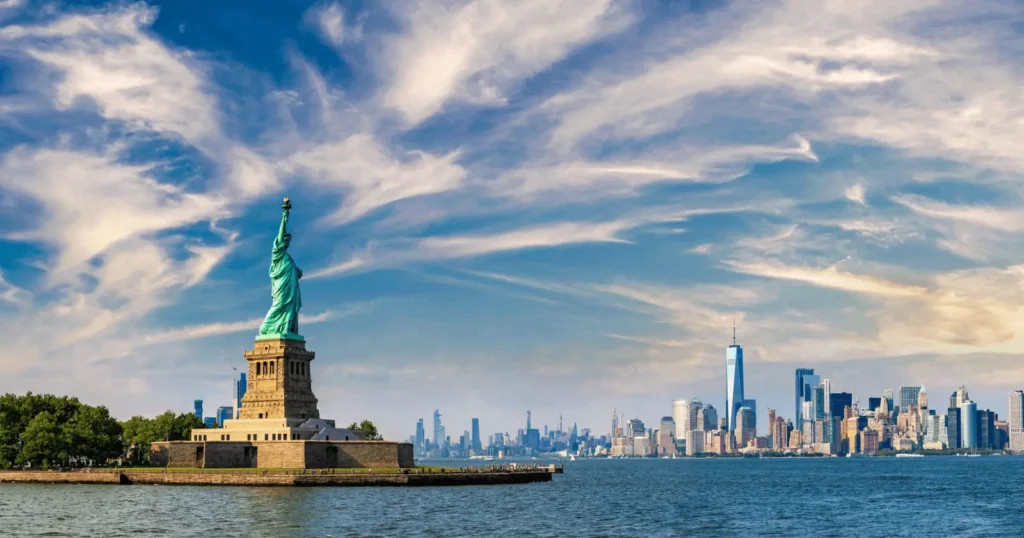
American university life is renowned worldwide for its richness, its energy, and its remarkable breadth of opportunity beyond the classroom. American campuses are, in many cases, self-contained communities – offering housing, dining, sports facilities, cultural centers, clubs, research laboratories, innovation hubs, and career services all within a single, vibrant environment. The experience of living and studying on an American campus is, for most international students, one of the most immersive and personally formative environments they will ever inhabit. The cities in which American universities are located add a further dimension to this experience. New York City, home to Columbia, NYU, and Fordham, is the financial, cultural, and media capital of the world – a city of extraordinary professional opportunity and cultural vitality. Boston, home to Harvard, MIT, and Boston University, is one of the world’s leading innovation hubs and the center of a thriving life sciences and technology ecosystem. San Francisco and the Bay Area, home to Stanford and UC Berkeley, is the heartland of the global technology industry. Los Angeles, home to UCLA and USC, is the center of the entertainment, media, and creative industries. Chicago, Washington D.C., Seattle, and Austin each offer distinctive urban environments with strong economies and rich cultural lives. On campus, American universities offer an extraordinary array of extracurricular opportunities: student government, academic clubs, cultural organizations, sports teams, research fellowships, entrepreneurship competitions, community service programs, and more. Students who engage fully with these opportunities graduate not just with a degree, but with a portfolio of leadership experience, collaborative skills, and personal achievements that significantly enhance their professional profiles. Read More

Flexible and Innovative Education System

The American higher education system is distinguished, above all, by its flexibility and its commitment to innovation. Unlike many national education systems that lock students into narrow disciplinary tracks from the moment of enrolment, the American system is built around the principle that students should have the freedom to explore, to discover their strengths and passions, and to design an academic path that reflects their individual intellectual abilities. Undergraduate programs in the USA typically follow a liberal arts model, requiring students to take courses across a range of disciplines – the humanities, the social sciences, the natural sciences, and the arts – before specializing in their chosen major. This breadth of exposure is not a distraction from professional preparation; it is, in the view of American employers and many academic researchers, the very foundation of it. Students who have been trained to think across disciplines, to write clearly, to reason analytically, and to communicate persuasively are consistently more adaptable, more creative, and more effective professionals than those trained in narrow specializations alone. American universities are also global leaders in the development of curricula that anticipate the demands of the future economy. Programs in Artificial Intelligence, Machine Learning, Quantum Computing, Data Engineering, Biotechnology, Climate Technology, Digital Media, FinTech, and Entrepreneurship are not peripheral offerings at American universities – they are central, well-resourced, industry-connected programs that place graduates at the cutting edge of their fields. For Pakistani students aspiring to careers in technology, healthcare, finance, or any other sector shaped by innovation, an American education provides the most direct route to the frontier. The American system also supports co-operative education (co-op) programs, research assistantships, internships, and industry placement schemes that allow students to gain professional experience while still enrolled. Optional Practical Training (OPT) allows international students to work in the USA for up to 12 months after graduation in a field related to their studies, with STEM graduates eligible for an extension of up to 36 months. This post-graduation work authorization is a significant practical advantage, allowing Pakistani graduates to gain American work experience, build their professional networks, and strengthen their profiles before returning to Pakistan or pursuing further opportunities abroad. Read More
Our partner Universities in America

Best Courses to Study in the America

Some of the best courses to study in the America include:

How CAS – Career Advisor Service – Can Help

The decision to study in the United States is one of the most significant a young Pakistani student will ever make. It deserves to be made well – with accurate information, realistic expectations, careful planning, and the support of people who know the process inside and out. Career Advisor Service (CAS) exists precisely to provide that support, guiding students through every stage of the American study abroad journey with expertise, personalization, and genuine care.

Why Choose CAS for the USA?
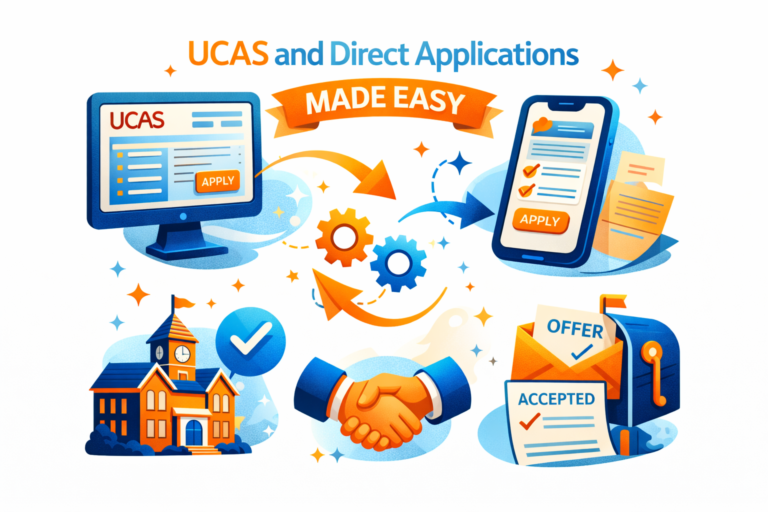
CAS brings years of specialist experience in US university admissions and student visa processing to every student engagement. Our team understands the specific requirements, timelines, and nuances of the American application process – from Common App to the particular demands of Ivy League and top-tier admissions. We work with each student as an individual, building a strategy that reflects their unique academic profile, personal background, and professional aspirations, rather than applying a generic template. Our track record of successful US university placements and F-1 visa approvals reflects the effectiveness of this genuinely personalized approach.
Image description
Direct Access to Top Universities
CAS maintains strong partnership with 100 plus universities across the United States – from flagship state universities to highly selective private institutions. These relationship give our students practical advantages: accurate, current information about admission requirements and processes; early awareness of scholarship opportunities; and the credibility that comes from being supported by a known and trusted advising partner. When a CAS-guided application arrives at an American university, it is complete, compelling, and professionally presented.
Image description
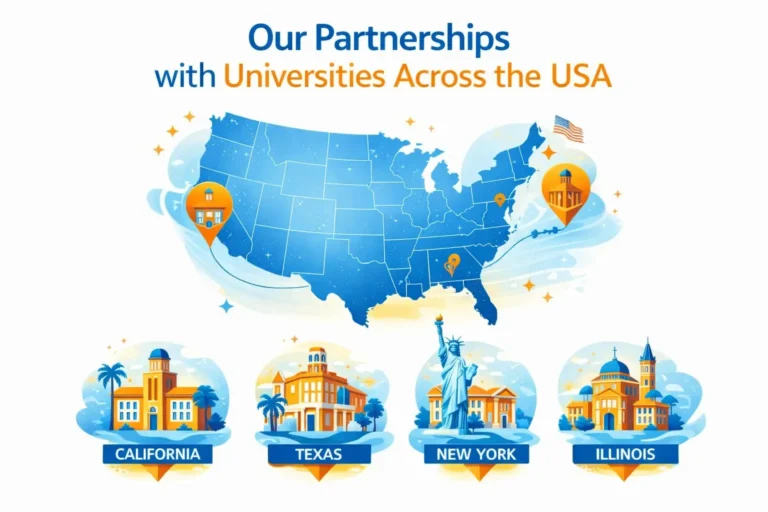
Our Partnerships with Universities Across the USA
Our university partnerships span institutions in New York, Boston, California, Texas, Michigan, Illinois, Georgia, and beyond – covering the full geographic and institutional breadth of American higher education. This national coverage ensures that CAS students have genuine access to the full range of American academic opportunities, matched carefully to their individual profiles. We identify the institutions where each student's application will be most competitive and most strategically sound – not simply the institutions with the most famous names.
Image description
Budget Planning Support
Understanding the true cost of an American education – and planning for it rigorously – is one of the most important things a Pakistani student and family can do. CAS provides detailed, institution-specific budget planning that accounts for tuition, fees, accommodation, health insurance, food, transport, and personal expenses. We help families make informed financial decisions, identify the most cost-effective option that do not compromise academic quality, and prepare the financial documentation required for the F-1 visa application with precision and confidence.
Image description
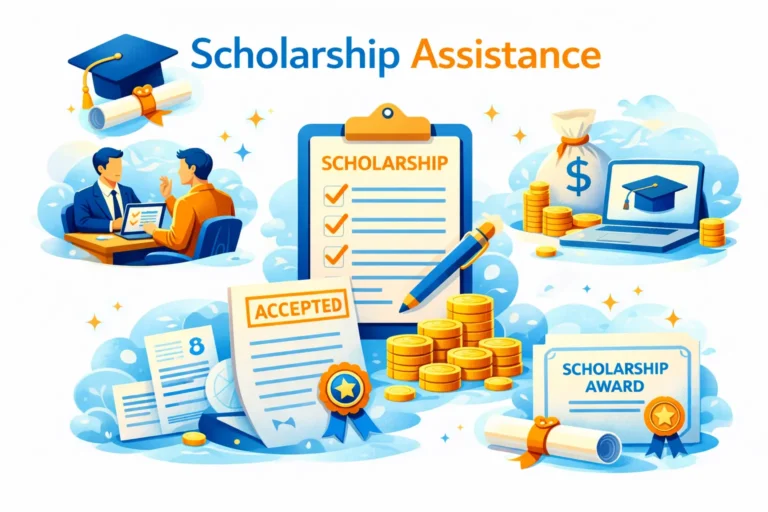
Scholarship Assistance
Scholarships can make the difference between an American education being a distant dream and an attainable reality. CAS conducts a thorough scholarship audit for every student we work with, identifying merit awards, need-based grants, university-specific scholarships and external fellowship programs applicable to US study. We provide hands-on assistance with scholarship applications – including personal statement development, financial aid form guidance, and deadline management – to maximize each student's chances of securing meaningful financial support.
Image description
Mock Interviews and SOP Review
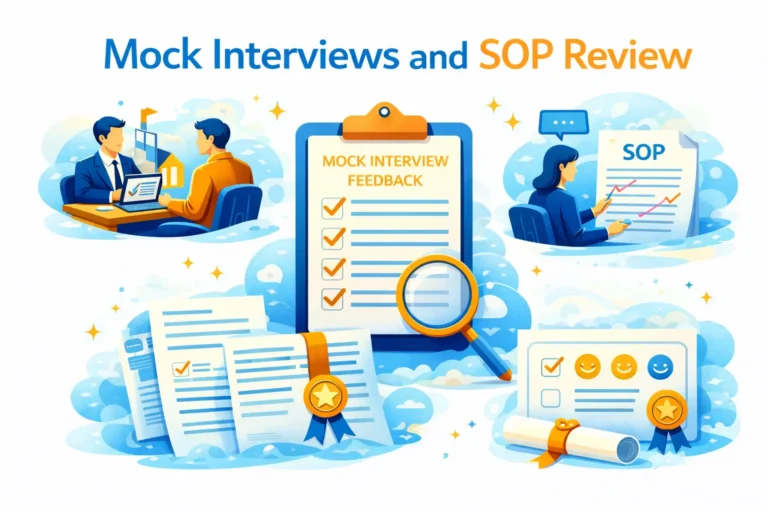
The personal essay and supplemental essays are the most human element of the American university application – and the most difficult to get right. CAS provides expert, iterative coaching through multiple drafts of every written component, ensuring that each student's application materials are authentic, compelling, specific, and precisely calibrated to the values and expectations of their target institutions. For universities that require admissions interviews, CAS conducts rigorous mock interview sessions – building both skills and confidence – so that students walk into those conversations fully prepared and genuinely composed.
Image description
Throughout Support from Visa Filing to Landing in the Country
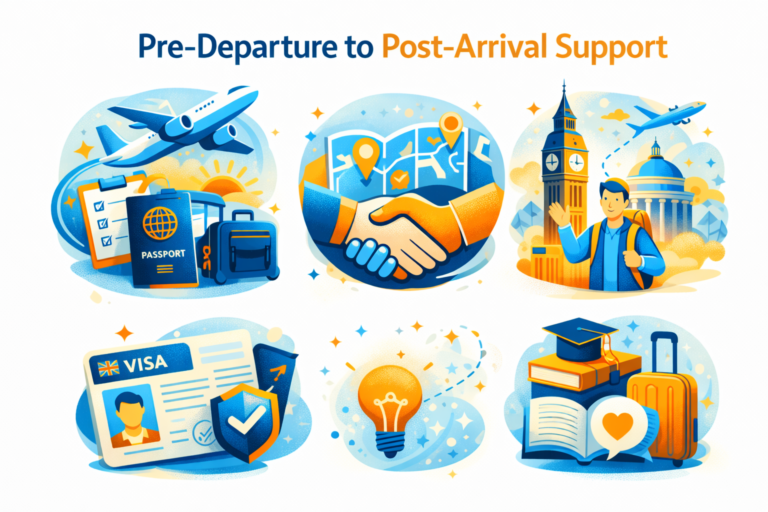
The US F-1 student visa application requires meticulous preparation: financial documentation, SEVIS registration, DS-160 form completion, visa interview preparation, and the demonstration of strong ties to Pakistan alongside genuine academic intent. CAS manages the entire visa application process, preparing students thoroughly for the consular interview – widely considered the most critical and nerve-wracking element of the US visa process – and ensuring that every component of the application is complete, consistent, and credible.
Image description

America has always been a nation built on the belief that talent

Determination, and hard work can carry a person as far as they are willing to go. That belief extends to the international students who arrive on its campuses every year from Pakistan and every other corner of the world.

The path there requires planning, preparation, and the right guidance. Career Advisor Service (CAS) has helped countless Pakistani students take that path with confidence and clarity. We are ready to help you do the same.

Your American education begins with a single decision. Make it today – and let CAS walk with you every step of the way.

Required Documents for a America Study Visa

Before applying for a America study visa, it’s essential to prepare the necessary documents to avoid delays in your application

Official academic documents

Bank Statement

Letters of recommendation

Updated resume/CV

Passport copy